Understanding the Role of Rough Carpentry
Carpentry plays a vital role in construction. It involves creating, shaping, and assembling structures. There are two main types: rough carpentry and finish carpentry. Rough carpentry focuses on the basic structure of buildings. It includes tasks like framing walls, roofs, and floors. These tasks provide the framework for a building’s shape. Rough carpenters work with large pieces of wood to form the skeleton of a structure. Accuracy is crucial in this step to ensure stability and safety.

Details About Finish Carpentry
Finish carpentry involves working on the final touches of a project. This stage comes after rough carpentry is complete. Finish carpenters add aesthetic details to the structure. They handle tasks such as installing trim, molding, and doors. Finish carpentry focuses on precision and smoothness to achieve an appealing look.
Key Elements of Rough Carpentry
Rough carpentry provides the necessary support for structures. It involves constructing elements that are not visible once the building is complete. Tasks include setting beams, posts, and rafters. Carpenters must understand engineering principles to ensure structural integrity. They often use power tools and large machinery to complete their tasks efficiently.
The Importance of Precision in Finish Carpentry
Finish carpentry requires attention to detail. Each piece must be cut and installed with precision. The quality of finish carpentry impacts the overall appearance of a room. Poor finish work can detract from even the best-designed spaces.
Tools Used in Rough Carpentry
Rough carpenters rely on a variety of tools. Some common tools include saws, hammers, and drills. They also use levels and measuring tapes to ensure accuracy. Safety gear is essential due to the scale and weight of materials involved.
Tools Preferred for Finish Carpentry
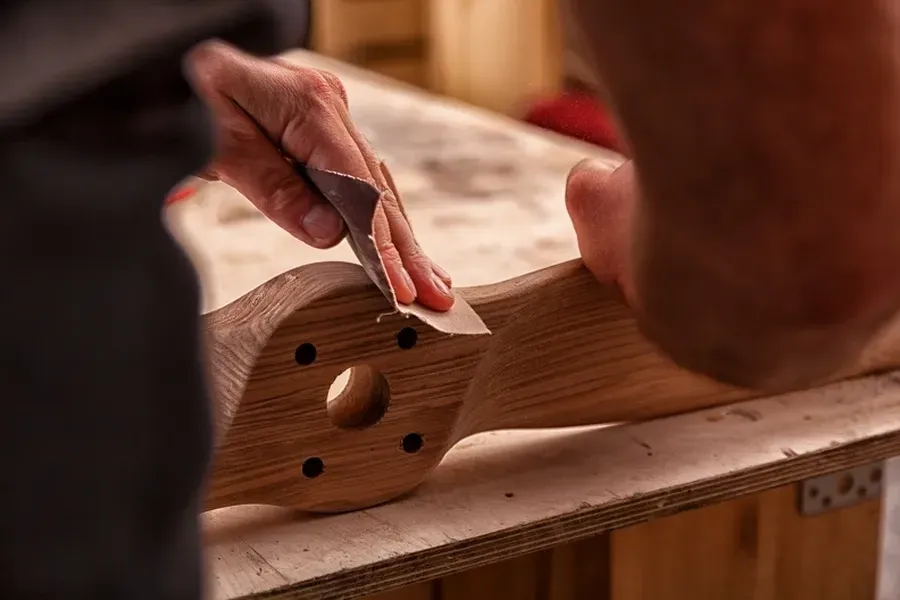
Finish carpenters use different tools from rough carpenters. Their tools are often smaller and more precise. Items like miter saws, chisels, and nail guns are common. Sandpaper and files help ensure smooth finishes.
- Miter saws for precise cuts
- Chisels for detailed work
- Nail guns for efficient assembly
- Sandpaper for smooth surfaces
Common Challenges in Rough Carpentry
Rough carpenters face several challenges. Ensuring structural integrity under time constraints is one. Weather conditions can also impact their work, especially in outdoor settings. Access to quality materials affects the durability of their projects.
Typical Issues in Finish Carpentry Work
Finish carpenters also encounter hurdles. Achieving seamless joins between moldings requires skill. Maintaining consistency across different areas can be difficult. Changes in material availability might affect color or grain matching.
Practical Solutions for Rough Carpentry Challenges
To overcome rough carpentry challenges, planning is key. Detailed blueprints guide construction and help prevent errors. Investing in high-quality materials ensures long-lasting results. Regular training keeps skills sharp and updated with industry trends.
- Start with clear blueprints for guidance
- Use high-quality materials
- Regular training to update skills
Effective Techniques in Finish Carpentry
Finish carpenters can enhance their work with these techniques. Patience and precision are vital when handling delicate tasks. Utilizing proper techniques and tools ensures each piece fits perfectly.
- Measure twice, cut once
- Use quality finishing products
- Test fit before final installation
Regulations Affecting Carpentry Work
Both rough and finish carpenters must follow industry regulations. Building codes dictate safety standards they must meet. Understanding these codes is essential to avoid costly mistakes or legal issues. Regularly updating knowledge ensures compliance with new regulations.
Cost Factors in Carpentry Projects
Several factors influence the cost of carpentry projects. The complexity of designs affects material needs and labor time. Quality materials may cost more but result in better durability and aesthetics. Skilled labor is essential but can increase costs. Clients should consider these factors when planning budgets.
Final Advice on Choosing Between Carpentry Types
Choosing between rough and finish carpentry depends on your project’s stage. Early stages require rough carpentry to create a stable base. Finish carpentry enhances aesthetics as the final step. Contact NIH Carpentry at (817) 542-6274 for expert advice on your next project. We proudly serve clients in Arlington, TX.